
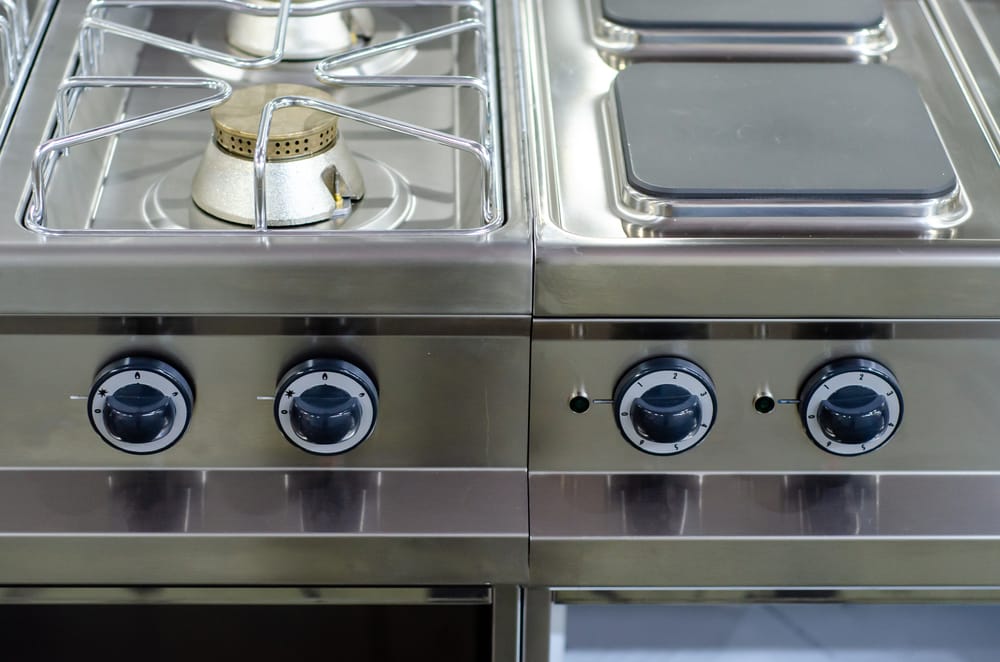
A stove is one of the most frequently used appliances in a home, so even a small fault can disrupt everyday cooking. However, electric and gas stoves do not develop exactly the same problems. Each type has different components, heating methods, and safety concerns. Knowing what to watch for can help Winnipeg homeowners recognise warning signs and decide when professional repairs are needed.
Common Problems with Electric Stoves
Electric stoves use heating elements or a smooth ceramic cooking surface to generate heat. When one of these components fails, the problem may affect a single burner or the entire appliance.
1. Burners fail to heat
A coil burner may stop working because of a damaged element, faulty connection, or defective control switch. On a smooth-top model, an internal heating component may be responsible. If one burner remains cold while the others work normally, the fault may be isolated to that circuit.
2. Uneven or inconsistent heating
Food that cooks too quickly in one area and remains undercooked in another may indicate a problem with the heating element or temperature control. A faulty sensor or thermostat can also cause the stove to struggle to maintain the selected temperature.
3. Damaged glass cooktops
Cracks, chips, or deep scratches can affect the condition of a smooth ceramic surface. A cracked cooktop should not be used because liquids may reach electrical components. Stop using the affected surface and arrange an assessment.
Common Problems with Gas Stoves
Gas stoves use burners that release fuel through small openings before igniting it. Their performance depends on a reliable gas supply, clean burner ports, and a functioning ignition system.
1. Burners will not ignite
Repeated clicking without a flame may point to a dirty burner, moisture around the igniter, a faulty ignition switch, or an electrical connection problem. Cleaning accessible burner components according to the manufacturer’s instructions may help, but persistent ignition issues require inspection.
2. Weak or uneven flames
Food debris can block burner openings and interfere with the flame pattern. A burner may produce a weak, irregular, or unusually coloured flame. If cleaning does not resolve the issue, a technician should check the burner assembly and gas supply.
3. Gas odours
A gas smell should never be treated as an ordinary appliance fault. Do not light matches, operate electrical switches, or use the stove. Leave the property and contact the gas utility or emergency services from a safe location.
When Should You Arrange Stove Repairs?
Some warning signs are easy to overlook. A burner that takes longer to heat, an oven that repeatedly misses its set temperature, or an ignition system that clicks continuously may indicate a developing fault.
Avoid opening electrical panels or attempting to repair gas connections yourself. Professional stove repair in Winnipeg may involve testing heating elements, switches, thermostats, igniters, and other components to identify the actual cause.
Before booking winnipeg appliance repair, note the stove’s brand, model number, symptoms, and when the problem occurs. This information may help the technician prepare for the assessment.
Keep Your Kitchen Appliances Working Safely
Electric and gas stoves require different repair approaches, but both need proper maintenance and timely attention when performance changes. Recognising unusual heating, ignition, or electrical behaviour may help prevent further damage and reduce safety risks.
Need Help with a Stove That Is Not Working Properly?
Contact DSL Appliances Repair if your electric or gas stove is showing signs of trouble. A professional assessment can help identify the faulty component and explain suitable repair options. Visit DSL Appliances Repair to learn more about its appliance repair services and arrange assistance.